The Ultimate Setup Guide for Your Msi Prestige 13 Ai Plus
Introduction
The Msi Prestige 13 Ai Plus has become a compelling choice for buyers who want a blend of portability, professional styling, and enough performance for everyday creative and productivity tasks. This guide helps new owners move beyond the out‑of‑the‑box experience: it covers first‑time setup, recommended configuration choices, everyday optimizations, and long‑term ownership considerations. The tone is editorial and practical—focused on real‑world use cases that matter to students, remote professionals, content creators, and frequent travelers.
Detailed Product Review and Analysis
Design and Build
The Prestige lineup is known for restrained, business‑oriented design, and the Msi Prestige 13 Ai Plus continues that tradition. The chassis typically uses a brushed metal finish or anodized aluminum that balances lightweight portability with a premium feel. For users who care about aesthetics—think professionals who carry their laptop to meetings—a slim, understated profile and muted colorways make it appropriate in client‑facing settings.
Display and Color Accuracy
A 13‑inch class display positioned toward the productivity/creator segment usually emphasizes sharp text, good brightness for indoor use, and higher color fidelity than budget notebooks. Buyers who edit photos or design for the web will appreciate a display with at least 100% sRGB coverage and factory calibration options; content creators should still plan to calibrate the panel with a colorimeter if color-accurate work is a priority.
Performance (CPU, GPU, Memory, Storage)
The Prestige 13 Ai Plus is typically configurable with modern, energy‑efficient processors and fast NVMe storage. In day‑to‑day scenarios—document work, spreadsheets, multiple browser tabs, light photo editing—this class of CPU delivers a responsive experience. For heavier workloads (large RAW edits, complex video projects, or sustained compiling), performance depends on the chosen configuration: more RAM and a higher‑capacity NVMe SSD reduce bottlenecks, while a discrete GPU or an upgraded integrated GPU can noticeably speed up GPU‑accelerated tasks.
One practical detail prospective buyers often overlook: thin ultraportables sometimes come with soldered RAM. If future upgradeability is important, confirm whether the RAM is user‑replaceable at the point of purchase.
Battery Life and Thermals
Battery life for a compact performance laptop is a balance between display brightness, workload, and power profile. Owners can expect a full workday under light productivity tasks with conservative settings, while active photo or video editing will reduce real‑world run times. Thermal design in thin laptops prioritizes noise and surface temperatures; users who need consistent peak performance should accept some fan noise under load or consider a cooling pad and use balanced/eco power profiles for quieter sessions.
Keyboard, Trackpad, and Webcam
Input quality matters. The Prestige series tends toward comfortable chicklet keyboards with adequate travel for long typing sessions and responsive trackpads with Windows Precision drivers. The webcam and microphones are adequate for web meetings, but buyers who prioritize streaming or pro‑grade video conferencing should consider an external webcam or USB microphone. Lighting and background control often have a bigger impact on perceived webcam quality than small improvements in sensor specs.
Connectivity and Ports
Port selection is a common decision point. A useful minimal set for modern workflows includes at least one Thunderbolt/USB‑C with DisplayPort and power delivery, a USB‑A port for legacy peripherals, and an HDMI or USB‑C video out for external displays. Frequent travelers value a laptop that ships with a versatile I/O layout or a compact dongle for occasional needs; professionals who use multiple external displays or high‑speed storage may prefer a dock or Thunderbolt hub.
Software and AI Features
Many vendors preinstall system utilities that allow quick tuning of performance profiles, fan curves, and display calibration. The Prestige line has emphasized productivity tools and, in recent models, AI‑assisted features for background removal in meetings, voice enhancements, or real‑time transcription. These extras are useful, but their practical value depends on the buyer’s workflow—test the specific AI features during the return window to see if they align with expectations.
Repairability and Support
Thin, premium laptops trade repairability for sleekness. For buyers who plan to keep a machine for several years, consider warranty options and whether the vendor offers easy access to spare parts and authorized service centers. Backing up important data and registering the device with the manufacturer after purchase are simple steps to reduce downtime if service is required.
Discover deals on Laptops & Computers — updated daily.
Shop Amazon →Pros & Cons
- Pros:
- Lightweight, professional design suitable for business and travel
- High‑quality display options ideal for creative workflows
- Responsive performance for everyday productivity and light content creation
- Good battery life with conservative power profiles
- Useful vendor utilities for system tuning and user customization
- Cons:
- Limited upgradeability in many thin configurations (often soldered RAM)
- Thermal and sustained performance can be constrained by slim chassis
- Webcam and mic adequate but not class‑leading for professional streaming
- Port selection may require dongles or a dock for advanced setups
How the Msi Prestige 13 Ai Plus Compares
For buyers choosing among ultraportables, the Prestige sits between strictly consumer thin‑and‑light notebooks and larger mobile workstations. The table below offers a qualitative comparison to help place the Prestige 13 Ai Plus against common alternatives.
| Model | Target User | Typical Strengths | Typical Limitations |
|---|---|---|---|
| Msi Prestige 13 Ai Plus | Traveling professionals and light creators | Balanced portability, color‑focused display options, vendor tuning utilities | Limited internal upgrade options, modest sustained thermal headroom |
| Ultraportable Competitor A | Everyday consumers and students | Lower price, reliable battery life, simple design | Less color accuracy, fewer professional features |
| Mobile Creator Laptop B | Serious content creators | Stronger GPU options, better sustained performance | Heavier and bulkier, shorter battery life |
| Business Ultrabook C | Enterprise users focused on security | Strong security features, enterprise support options | Price premium, sometimes less emphasis on display color accuracy |
Buying Guide: What to Check Before Purchase
Choosing the right configuration and accessories for the Msi Prestige 13 Ai Plus depends on how it will be used. Below are decisive factors and practical checks to do before buying.
1. Define Primary Use Cases
Start by listing tasks: web browsing and document editing, photo editing, light video work, software development, or frequent meetings. If the laptop will be the main creative workstation, prioritize higher RAM and faster storage. If it serves mostly for email, notes, and presentations, a base configuration will likely do.
2. Memory and Storage
For multi‑tasking and creative apps, opt for at least 16GB of RAM when possible; 8GB is adequate for basic productivity but can limit future multitasking. Prefer NVMe SSDs for fast app launches and responsive file operations, with 512GB as a practical starting point for most users. Consider external high‑capacity drives for media libraries rather than relying on internal expansion if the internal SSD is limited.
3. Display Considerations
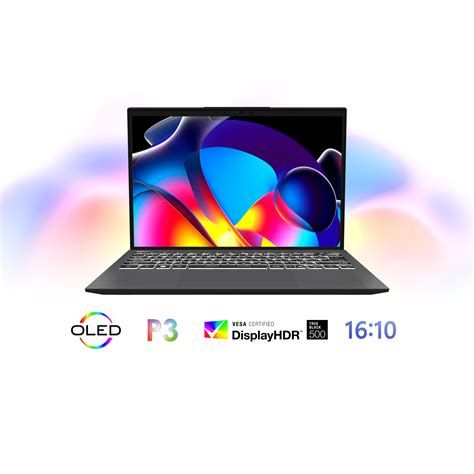
Buyers who edit photos and videos should choose the best display option available—look for higher resolution, wide color gamut (sRGB/Adobe RGB coverage), and factory calibration. If the display spec sheet is vague, ask the retailer or test in store. Matte vs. glossy finishes also matter: matte reduces reflections in bright environments while glossy panels often appear punchier indoors.
4. Ports and Docking Strategy
Assess the peripherals used daily. If the workflow includes external monitors, consider a configuration with Thunderbolt capability or plan on a docking solution. Frequent travelers may prefer a configuration that supports USB‑C charging to minimize chargers to carry.
5. Upgradeability and Warranty
Confirm whether RAM is soldered and whether the SSD is user‑replaceable. If upgradability is important, either choose a model that supports it or ensure a higher initial spec. Consider extended warranty or accidental damage protection if frequent travel or high‑value work is expected.
6. Thermal and Noise Expectations
Decide whether quiet operation or sustained high performance is more important. If a laptop will run heavy loads often, expect some fan noise and elevated surface temps. For quieter sessions, use eco power profiles and lower brightness; for performance bursts, set the system to high‑performance mode and accept the tradeoffs.
7. Software and Ecosystem
Check what preinstalled utilities are included and whether they provide meaningful advantages (power profiles, display calibration, webcam/microphone enhancements). Verify driver and firmware update cadence from the vendor—frequent updates are a good sign of ongoing support, especially for security and platform stability.
Shop the latest Laptops & Computers picks on Amazon.
Shop Amazon →8. Accessories and Carrying Options
Recommended accessories include a compact USB‑C power bank (if the laptop supports PD charging), a small Thunderbolt dock or hub for multiport needs, and a sleeve or protective case sized to the machine. For content creators, a colorimeter for display calibration and an external SSD for media projects are practical purchases early on.
Practical Setup Steps After Unboxing
These steps help new owners get the most from the Prestige 13 Ai Plus without losing time to unnecessary tweaks.
- Initial firmware update: Run system firmware and driver updates first. Manufacturers often push stability, battery and thermal improvements after launch.
- Create recovery media: Make a recovery USB if the vendor provides the option. It simplifies troubleshooting if the system needs restoration.
- Calibrate the display: Use built‑in calibration tools for quick adjustments and a hardware colorimeter for mission‑critical color work.
- Adjust power profiles: Configure balanced or eco modes for daily work, and a performance profile for demanding tasks. Tune sleep, lid close, and battery thresholds to match workflow habits.
- Configure backups: Enable a cloud backup or local backup schedule. For creatives, consider automated backups for working media files to an external drive or NAS.
- Remove unnecessary bloatware: Uninstall trial software that isn’t needed. Keep manufacturer utilities that provide meaningful control and updates.
- Secure the device: Activate disk encryption and create a strong user account password. If enterprise needs apply, enroll in the appropriate management solution.
Real‑World Use Cases
Understanding how different buyers use the Prestige 13 Ai Plus helps set realistic expectations.
Remote Professional / Consultant
For users who spend long days on email, video calls, and lightweight editing, the Prestige’s portability and battery life make it attractive. Priorities include a reliable webcam/mic setup, a comfortable keyboard for long writing sessions, and a robust wireless connection for remote meetings.
Student / On‑Campus Creator
Students benefit from the light weight and strong display for projects and presentations. A 512GB SSD and 16GB RAM configuration is a good balance for note‑taking, media projects, and casual gaming between classes.
Photography and Light Video Editing
Photographers who travel may appreciate the Prestige as a field laptop for culling and light edits—paired with an external drive and color calibration, it becomes a portable finishing station. For multi‑track video editing or color grading, an external GPU or a heavier workstation is likely a better long‑term fit.
Software Development
Developers using local containers and IDEs should prioritize RAM and SSD speed. Where build times are critical, choosing a higher‑spec configuration or pairing with a cloud build server can prevent bottlenecks. The slim design makes the laptop convenient for co‑working spaces and coffee shops.
Conclusion
The Msi Prestige 13 Ai Plus is a well‑rounded ultraportable aimed at buyers who need a professional appearance, a color‑conscious display, and reasonable performance for everyday creative and productivity tasks. It stands out for portability and display quality while trading off some internal upgradeability and extreme sustained performance. By choosing the right configuration, applying smart setup steps, and selecting a few targeted accessories, owners can shape the Prestige into a dependable daily driver for travel, remote work, or on‑the‑go creative tasks. Evaluate workflows, check upgrade options, and tailor power and display settings to match real‑world needs; doing so will unlock the laptop’s practical potential and ensure a smoother ownership experience.